
← Back to blog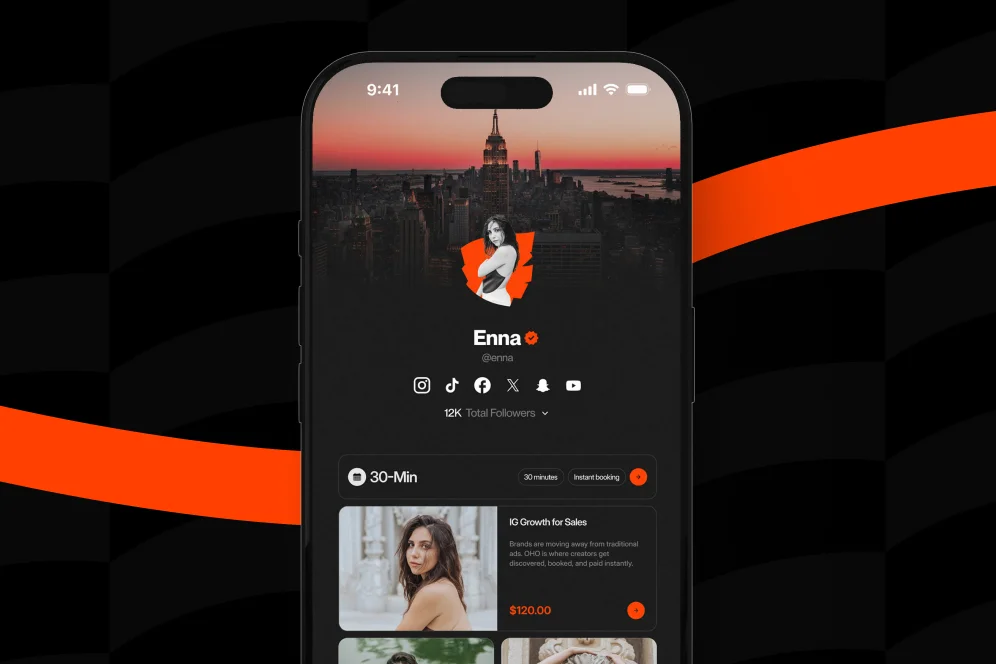
The 15-Minute Audit: How to Sell High-Margin Micro-Services Through Your Bio
May 12, 202611 min readUpdated August 3, 2026
TL;DR
A 15-minute audit works because it turns expertise into a fixed-scope offer buyers can understand quickly and purchase without a call. To make selling digital services through your bio work, define one problem, one deliverable, one CTA, and one measurable conversion path.
Selling digital services gets easier when the offer is small, specific, and easy to buy without a call. A 15-minute audit works because it packages expertise into a fast, high-clarity deliverable that feels low-risk for the buyer and operationally sustainable for the seller.
Most creators and consultants do not need another vague “work with me” link. They need a conversion-focused page that explains one narrow problem, one fixed outcome, one price, and one next step.
A 15-minute audit is often the cleanest entry offer for selling digital services because it turns expertise into a fixed-scope product people can understand in under 10 seconds.
When someone lands on a social profile, they are not ready to read a proposal. They are scanning.
That matters because broad services like “marketing consulting,” “brand strategy,” or “growth help” create too much interpretation work. The visitor has to guess what they get, how long it takes, whether it is relevant, and whether the price will be painful.
A micro-service removes that friction.
Instead of selling a category, it sells a decision. Instead of “I help with content strategy,” the offer becomes “15-minute Instagram bio audit with 3 conversion fixes.” Instead of “website consulting,” it becomes “homepage teardown for coaches with annotated recommendations.”
This is the core business case for productizing expertise into small audits:
That last point is usually underestimated. A good audit is not just a small sale. It is a qualification layer.
People who buy a tightly framed audit are often signaling urgency, trust, and budget. They are much more useful than a random DM saying “how much do you charge?”
There is also a margin advantage. Digital services sold as fixed deliverables avoid shipping complexity and can be configured like digital products. As documented in Shopify’s guide to selling services or digital products, service-based offers can be listed as non-physical items, which reinforces the idea that fulfillment can be simple, repeatable, and operationally clean.
The strongest creators selling digital services through a bio are not asking visitors to browse a messy link list. They are giving them one immediate revenue action. That is also why a storefront-style page tends to outperform a standard link directory: it keeps the visitor on-page long enough to buy, book, subscribe, or inquire instead of pushing them into tool sprawl. We’ve covered that tradeoff in our guide to monetization layers.
Do not start with a full service package.
Start with a paid diagnostic.
Broad offers sound more valuable to the seller, but they usually convert worse because they require too much trust up front. A narrow paid audit often creates more qualified demand because the buyer can test your thinking before committing to a bigger engagement.
Most 15-minute audits fail because they are framed around the creator’s process rather than the buyer’s problem. The offer needs to be concrete enough that someone can self-qualify instantly.
A simple model works well here: problem, proof, package, path.
That four-part audit offer is the reusable structure to keep in mind:
Name one visible pain point.
Examples:
The narrower the pain point, the easier it is to sell.
Show what kind of evidence you review.
For example, a creator bio audit might include:
This matters because digital services are sold differently from physical goods. The value is in insight, diagnosis, and interpretation, not the object itself. That aligns with the point made in this LinkedIn article on selling digital services, which argues that digital services require deeper customer insight than physical products.
Define the deliverable in operational terms.
Good examples:
Weak examples:
The first group describes what arrives. The second group describes nothing.
Give the buyer a next step after the audit.
That could be:
Without this path, the audit stays a small transaction. With it, the audit becomes a front-end offer that qualifies larger opportunities.
For a creator who helps experts monetize Instagram traffic, the page might read like this:
This is much easier to buy than “social media consulting.”
It also aligns with what broader digital product platforms highlight. Lemon Squeezy’s documentation on digital products shows how varied digital deliverables can be, from templates and video content to software-related assets. For micro-services, that matters because an audit can be delivered as a recorded review, a digital file, or a hybrid of both.
A short audit is only high-margin if the diagnosis is tied to an expensive problem.
That is where many creators get stuck. They try to sell “mini audits” in generic categories where buyers do not feel the cost of inaction. If the problem is vague, the price ceiling stays low.
The better approach is to attach the audit to a narrow commercial outcome.
Examples of stronger niches for selling digital services this way include:
Specificity increases perceived expertise.
It also improves discoverability because the wording maps more closely to the buyer’s search and self-description. Wix’s roundup of digital products makes a similar point: niche-specific products like business planning or social media scheduling templates stand out because they solve a defined use case rather than a broad category.
When profile visitors arrive from Instagram, TikTok, YouTube, or X, they are usually making a quick yes-or-no decision. That means your micro-service should inspect the moments where intent leaks.
A useful audit lens includes:
For creators building around a public bio page, this is where a storefront becomes more useful than a normal link list. Standard link-in-bio setups often fragment the path into separate tools for bookings, products, forms, and inquiries. A conversion-focused page reduces that context switching. We’ve unpacked common leak points in our breakdown of social traffic friction.
Before launching an audit, ask four questions:
If the answer is no to two or more, the niche is probably too weak.
The page for selling digital services should not read like a portfolio. It should read like a product page with service logic.
That means the structure needs to support one decision: buy the audit.
A strong layout usually includes the following blocks, in this order:
This section should state:
Example:
“15-minute storefront audit for creators who want more bookings, digital product sales, and qualified brand inquiries. Get a recorded teardown with prioritized fixes in 72 hours.”
That is enough for a buyer to understand the offer without hunting.
List the exact review areas.
Do not say “personalized feedback.” Say:
Uncertainty kills conversion.
Specify whether the audit is delivered via Loom, PDF, email, or a storefront message. State the turnaround clearly. State whether revisions are included. State what the buyer must submit first.
A simple form should collect:
This creates structure and prevents back-and-forth.
After the audit, what happens?
Offer one next step. Maybe it is a 30-minute implementation call. Maybe it is a page rebuild. Maybe it is a template pack. Keep it singular.
If you are serious about selling digital services through a bio, instrument the page from day one.
Track:
If analytics are light at the start, use a manual baseline for the first 30 days:
A useful target is not “make this go viral.” It is “increase page-to-purchase rate and downstream upsell rate over a 30- to 60-day window.”
Because Oho is designed as a creator storefront and conversion layer, this kind of instrumentation is part of the point: the goal is not just clicks, but meaningful actions on the page itself.
Here is a clean way to evaluate whether the offer is working without inventing vanity metrics:
That is the level of proof most operators should use until they have enough volume for more detailed analysis.
For creators reworking the public page itself, the lessons in our storefront guide also apply: visitors respond better when the page makes commercial intent obvious instead of burying it under a static portfolio feel.
High-margin micro-services are not cheap because they are short. They are valuable because they compress expertise.
That distinction changes pricing.
If the buyer is paying for 15 minutes of your time, the offer will feel expensive. If the buyer is paying for a prioritized diagnosis of a revenue problem, the offer can feel efficient.
Simon-Kucher’s perspective on selling digital products and services is useful here: digital offers work best when value is framed around the customer outcome rather than legacy assumptions about effort or format.
The common pricing mistakes are:
A 15-minute audit should be ruthlessly scoped.
If the buyer wants copy rewrites, implementation support, strategy calls, and revisions, that is no longer a micro-service. It is consulting hiding inside a small price point.
The best format depends on the issue being diagnosed:
Digital products and digital services increasingly blur together here. Salesforce’s guide to selling digital products reinforces the operational logic of packaging, marketing, and delivering repeatable digital offers through clear steps instead of improvising each sale.
There is no universal benchmark for what your audit will earn. But small digital deliverables can matter materially to independent operators when the niche is strong and the fulfillment is consistent. In one creator example cited by Hazel Paradise on Medium, ebooks and templates made up a large share of income, illustrating the broader point that compact digital offers can scale better than many service sellers assume.
The lesson is not “sell ebooks instead.” It is that buyers will pay for compact expertise when the format is clear and the use case is specific.
If it sounds like a discovery call with extra steps, buyers will delay. Position it as a deliverable, not a conversation.
“Get feedback on your business” is weak. “Get three prioritized fixes to improve your booking page” is legible.
If the same page tries to sell a course, a newsletter, a mentorship program, and a brand kit, the audit loses salience. Give it room.
A bloated intake form kills completion. Ask only what is required to complete the review.
If every audit requires fresh research, multiple revision rounds, and live calls, the margin disappears.
Audience size matters less than problem clarity. A small but relevant audience can convert well if the offer solves a visible issue for a defined buyer, especially when the page shows exactly what gets reviewed and delivered.
In most cases, treat it like a product with service fulfillment. That keeps the buying experience simple, supports fixed pricing, and avoids unnecessary scheduling before payment.
A short recorded teardown is usually the fastest starting point because it preserves nuance without increasing production complexity. If the recommendations need implementation detail, pair the recording with a one-page summary.
Fast enough to feel responsive, slow enough to protect operations. For most solo sellers, a published delivery window of 48 to 72 hours is easier to manage than promising same-day fulfillment.
Yes, if the audit is attached to a commercial bottleneck. For example, a creator can review a media kit page, collaboration inquiry flow, or sponsorship positioning and deliver a diagnosis tied to better-fit inbound opportunities.
Send a confirmation, collect the required inputs, deliver on schedule, and include one clear next-step offer. That next step could be implementation help, a template, a booking session, or a larger done-for-you engagement.
The best micro-service offers do not ask visitors to understand your entire business. They ask them to buy one small, useful outcome.
That is why 15-minute audits work so well for selling digital services. They are easy to explain, easy to buy, and easy to connect to bigger work if the page, pricing, and fulfillment are structured correctly.
If you are rebuilding your bio page, aim for one clear offer, one clean CTA, and one measurable path from visit to purchase. And if you want a public page designed to sell, book, subscribe, and manage inquiries from one place instead of sending traffic into a maze of tools, Oho is built for exactly that use case.