
← Back to blog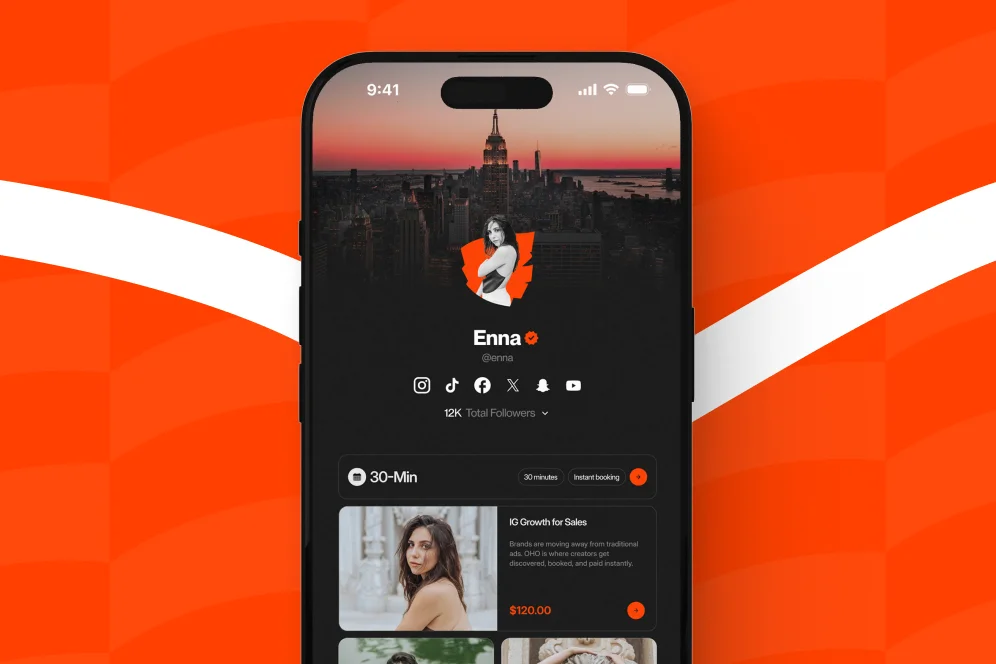
How to Choose a Digital Sales Platform That Can Actually Scale
April 10, 202611 min readUpdated August 3, 2026
TL;DR
The right digital sales platform is the one that matches your revenue model, reduces steps between attention and action, and gives clean visibility into what converts. Start with offer fit, traffic fit, conversion fit, and measurement fit before comparing tools.
Choosing a digital sales platform looks simple until the business model gets more complex. What works for one product, one audience, or one traffic source often breaks once digital products, bookings, subscriber capture, and partnerships all need to work together.
The practical question is not which platform has the longest feature list. It is which platform can turn demand into measurable actions without creating more operational drag as the offer mix grows.
Selecting Your Digital Sales Platform is usually framed as a feature comparison exercise. In practice, it is a revenue design decision.
A good platform does not just host products. It shapes how traffic converts, how fast offers go live, how cleanly intent is captured, and how much visibility exists between page visit and revenue event.
A short answer that holds up in most cases: choose the platform that matches your sales model, not the one with the most features.
That distinction matters because many teams buy for present simplicity and then pay for future fragmentation.
A creator selling one PDF today may need to sell bundles, book paid calls, collect newsletter subscribers, and manage inbound brand interest six months later. A consultant may begin with a single service page and later need lead qualification, calendar booking, email capture, and downloadable assets from the same public profile. If the platform assumes every visit should click away to a different tool, conversion friction compounds fast.
This is where standard link-list setups often create hidden costs. They are useful for routing traffic, but routing is not the same as selling. When every action lives in a separate destination, the business loses continuity:
That is one reason products such as Oho are best framed not as prettier profile pages, but as a monetization layer for the public creator profile. The core advantage is not decoration. It is the ability to sell, book, subscribe, and capture collaboration inquiries from one conversion-focused page.
Do not choose a platform because it can do everything. Choose it because it reduces the number of steps between attention and action for the specific ways you make money.
That is the practical business case. According to Harvard Business School Online, digital platforms create value by enabling exchanges between users and participants in a structured ecosystem. For a sales platform, that means the real value is not the page itself. It is the quality of the exchange it enables: buying, booking, subscribing, or inquiring.
Before looking at templates, pricing tiers, or checkout widgets, a platform decision should start with a short internal review. This is the reusable model worth keeping: the 4-part platform fit review.
This sounds basic, but it prevents one of the most expensive mistakes in software buying: purchasing a technically capable platform that is structurally wrong for the sales model.
Most platform mistakes begin with a blurred offer map. The business says it needs “a storefront,” but in reality it may need all of the following:
Those are not identical actions. Each has a different conversion path, urgency level, and information requirement.
If the platform treats every offer as a generic button click, the page will look organized but perform poorly. Selecting Your Digital Sales Platform should begin by listing the actions a visitor can complete directly and the information required to complete each one.
Traffic quality matters as much as platform capability. A page built for warm social traffic behaves differently from a page built for search traffic or outbound campaign traffic.
As iubenda notes in its guidance on digital advertising platform selection, platform choice should align with goals and target audience. The same principle applies here: if visitors already know the creator and want one next step, the platform should shorten that path. If visitors are colder and need more context, the platform should support explanation, offer hierarchy, and trust signals.
This is the contrarian stance: do not start by comparing design flexibility; start by comparing on-page actions.
A platform that lets visitors act directly on the page will usually outperform one that mainly routes them elsewhere, even if the second one has more styling options. For creators and service-led businesses, the difference between “click a link” and “complete the action here” is often the difference between interest and revenue.
If one platform produces more clicks and another produces more booked calls or paid purchases, the first is not necessarily better. It is just noisier.
As MarketsandMarkets argues in its buyer’s guide, platform evaluation should connect to measurable KPIs such as win rates and deal cycle length. For creator and digital offer businesses, the equivalent KPI set usually includes:
A lot of platform advice is written as if a business sells one thing in one format. That is rarely true for creators, educators, consultants, or niche experts.
The harder case is mixed monetization: digital products plus paid services plus audience growth plus brand opportunities. This is where platform selection gets operational.
A visitor arriving from Instagram, YouTube, TikTok, or email should not have to decode a maze of disconnected destinations. They should be able to identify the right next action quickly.
This is where standard link-in-bio tools often hit a ceiling. They are good at organizing links, but less effective when the real goal is conversion on-page. Oho’s positioning is strongest when viewed through this lens: one page where a creator can sell digital offers, accept bookings, collect subscribers, and manage collaboration inquiries without forcing visitors through a separate stack of tools.
Service businesses and creators doing sponsorships often treat inbound requests as informal lead flow. That creates unnecessary back-and-forth.
A better setup captures structure from the start:
That does not just save time. It improves lead quality and makes follow-up faster.
For digital commerce use cases, integration with audience channels matters. Sales Layer highlights factors such as social media integration, user experience, and product capacity when evaluating ecommerce platforms. Those criteria translate directly to creator-led selling because the storefront often sits downstream from social discovery.
If the public page is disconnected from the channels that generate traffic, the platform may still function, but it will not scale cleanly.
Teams often assume analytics can be “figured out later.” That is a mistake.
At minimum, the platform should support a clear event map such as:
Without that map, optimization turns into preference debates about layout and copy.
Once the internal review is done, scoring becomes easier. Instead of a vague feeling that one tool is “more powerful,” the team can rate how well each option supports the actual revenue model.
A simple scoring sheet should include five dimensions:
Imagine a creator-led business with three monetization paths:
Baseline setup:
Intervention:
Expected outcome over a 30- to 60-day review window:
No fabricated benchmark is needed to justify this change. The measurement plan itself is enough:
That is the right way to evaluate a platform decision: baseline, intervention, outcome, timeframe.
Feature demos flatter the product. Trials expose the workflow.
EOXS recommends practical evaluation through trials or demos to assess budget and technical alignment. For digital sales platforms, the trial should test a real use case, not a sandbox fantasy.
A useful test involves:
If that setup feels clumsy in week one, it will feel expensive in month six.
Platform selection often gets reduced to branding and checkout. The technical layer matters just as much.
Every redirect, external form, popup dependency, and mismatched checkout experience adds latency and cognitive overhead. The issue is not only raw load time. It is continuity.
A visitor should not feel like they are being handed from one system to another. That breaks trust and lowers completion rates, especially on mobile.
This is one of the most common selection errors. Teams celebrate click-through volume from a profile page, but cannot explain revenue contribution by offer type.
As Salesforce notes in its overview of digital sales, modern online selling depends on using tools and strategies that support measurable customer interactions. For platform buyers, that means the instrumented event is more valuable than the raw outbound click.
If one page gets fewer total clicks but more bookings, it is the stronger page.
For businesses that expect the profile or storefront page to rank, discoverability should be considered early. The structure of the page, the clarity of offer descriptions, and the consistency of public identity all influence whether the page can support search-driven discovery.
That does not mean every digital sales platform is an SEO platform. It means the platform should not block basic discoverability or create thin, contextless pages that cannot support search intent.
Seismic emphasizes that platform selection should begin with the company’s actual structure and needs rather than a one-size-fits-all assumption. For a creator business, “team structure” may mean a solo operator today and a virtual assistant, editor, or partnerships manager later.
A platform that works only if one person manually holds the system together is not scalable. Operational resilience is part of the technical requirement.
The market has several overlapping categories, and confusion usually comes from comparing the wrong layers.
Best for simple traffic routing.
Weakest when the goal is direct monetization, structured lead capture, or understanding which on-page actions produce revenue.
Best for larger product catalogs and deeper commerce workflows.
Weakest when the business also depends heavily on service bookings, creator profile identity, or lightweight public-page conversion.
Best when the business model mixes digital products, services, subscriber growth, and partnership opportunities.
Weakest when the business needs a full enterprise commerce stack. That is not a flaw; it is simply a different job to be done.
Oho is best framed as a conversion-focused creator storefront and public monetization layer, not a generic all-in-one business operating system. That distinction matters because it keeps the buying criteria honest.
For creators, coaches, consultants, educators, and online personalities, the relevant question is whether the public page can do more than route traffic elsewhere. If the need is to sell, book, grow a newsletter, and manage collaboration requests from one place, the platform is positioned around that exact problem.
That also makes it a more useful alternative to standard link-list setups than a direct replacement for every backend business tool.
The easiest way to save money on platform selection is to avoid the migration triggers that show up six months later.
A polished page matters. But if the underlying actions are weak, the design is only masking leakage.
The better question is: can the visitor complete the intended action with minimal friction?
A newsletter signup, a paid booking, and a sponsorship inquiry do not carry the same value. The platform should let the business separate those paths clearly.
A platform that works for one digital product may fail when bundles, limited-time offers, or paid services are added. Selecting Your Digital Sales Platform should account for the next likely business model, not only the current one.
If product sales live in one system, bookings in another, subscribers in a third, and inquiries in a fourth, reporting becomes slow and misleading. The team starts optimizing what is easiest to count rather than what matters most.
Popular tools solve popular problems. That does not mean they solve your problem. As Scorpion notes, the right platform can create efficiency and competitive advantage when it fits the business. The inverse is also true: the wrong “popular” platform can create hidden operational costs.
If the page’s main job is routing visitors to other destinations, a simple link page may be enough. If the page needs to generate purchases, bookings, subscribers, or structured inquiries directly, a storefront-style conversion layer is usually the better fit.
Usually yes, if both are core revenue paths and the buyer journey starts from the same public profile. The advantage is cleaner conversion flow, fewer redirects, and simpler analytics.
Measure action completion rates, not just clicks. Track visits, purchases, bookings, subscriber submissions, inquiry submissions, and response time to leads so the comparison reflects revenue behavior.
Not if the platform is being chosen for the right job. A creator-focused platform is often the stronger option when the business depends on monetizing attention from a public profile rather than running a full enterprise commerce operation.
The biggest red flag is needing too many extra tools to make basic revenue actions work. If the platform requires a patchwork of workarounds for selling, booking, capture, and inquiry handling, scale will become fragile.
A strong decision is rarely the platform with the most tabs in the admin area. It is the platform that keeps the public selling surface simple while making revenue actions easier to complete and easier to measure.
For many creator-led businesses, that means moving away from a page that only sends people elsewhere and toward a page designed for action on arrival. If that is the shift being considered, it is worth reviewing whether a conversion-focused creator storefront better matches the way the business already earns.
If you are evaluating options now, run the 4-part platform fit review on your current setup first. That process will show whether the next decision should optimize for routing, commerce depth, service conversion, or a unified public monetization layer.